Understanding Peptide Measurements
Peptide labels, mixing supplies, and insulin syringes all use different measurements. This guide explains how mg, mcg, mL, and syringe units relate to each other.
The simple version
A peptide vial tells you the total amount of peptide material. Bacteriostatic water adds liquid volume. The insulin syringe measures how much liquid is drawn.
mg
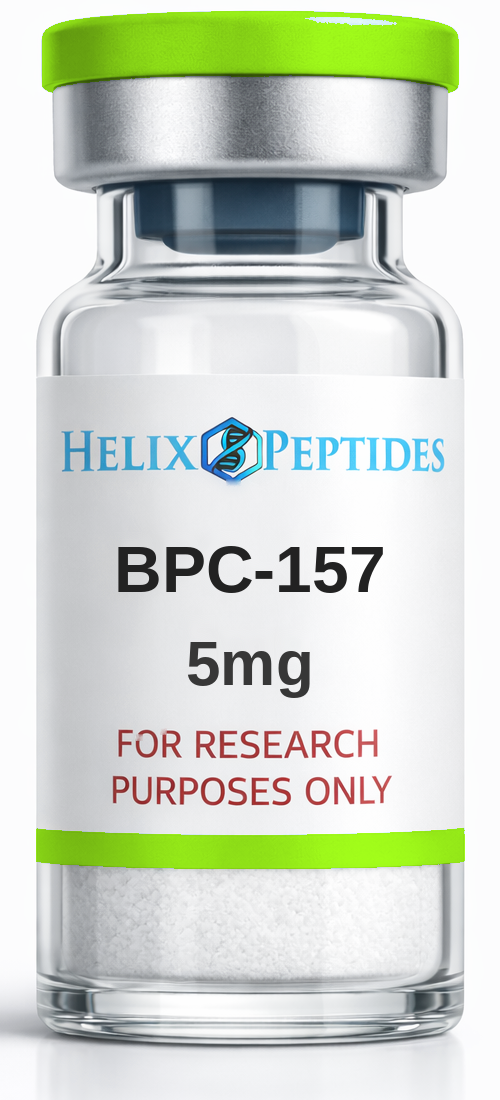
Milligrams describe the total peptide amount in the vial. A 5mg vial contains 5mg total. This number does not describe liquid volume or how much is drawn into a syringe. It is the starting amount before bacteriostatic water is added.
mL
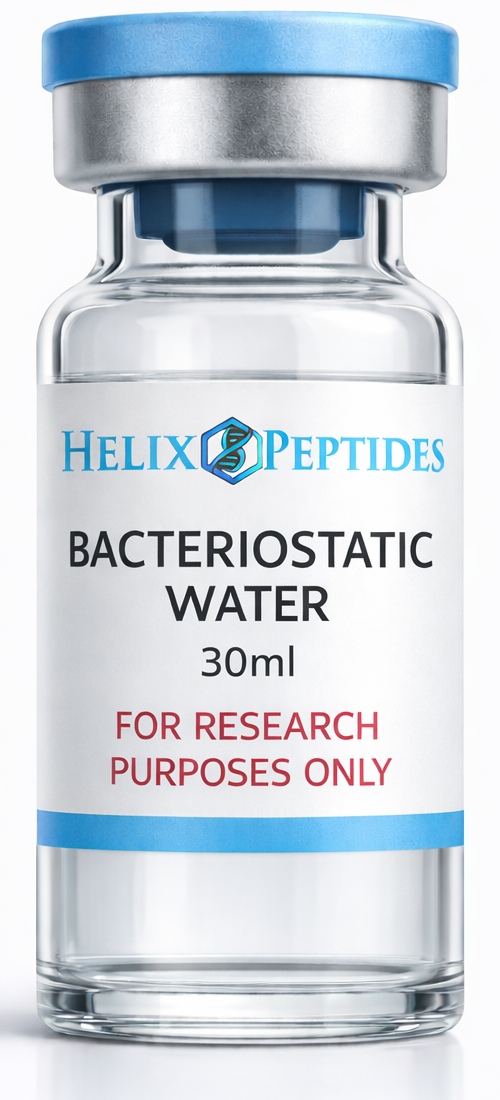
Milliliters describe liquid volume. Adding more liquid makes the concentration weaker per unit. The peptide amount stays the same, but it gets spread across more total liquid. This is why the same vial can produce different syringe-unit amounts depending on how much water is added.
Units
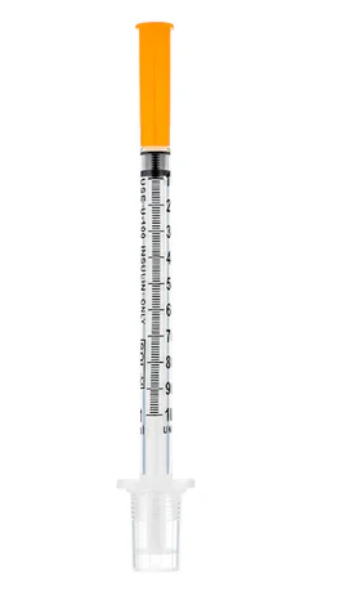
Insulin syringes measure volume in units. On a U-100 syringe, 100 units = 1mL. Units are not the same as milligrams or micrograms. They only describe how much reconstituted liquid is being drawn.
Concentration
Concentration tells you how much peptide exists in each syringe unit after reconstitution. It depends on both the vial strength and the amount of bacteriostatic water added. Once concentration is known, a target research amount can be converted into syringe units.
Reconstitution uses mL. Insulin syringes use units.
During reconstitution, the liquid is usually measured in milliliters. For example, you might add 1mL, 2mL, or 3mL of bacteriostatic water to a vial.
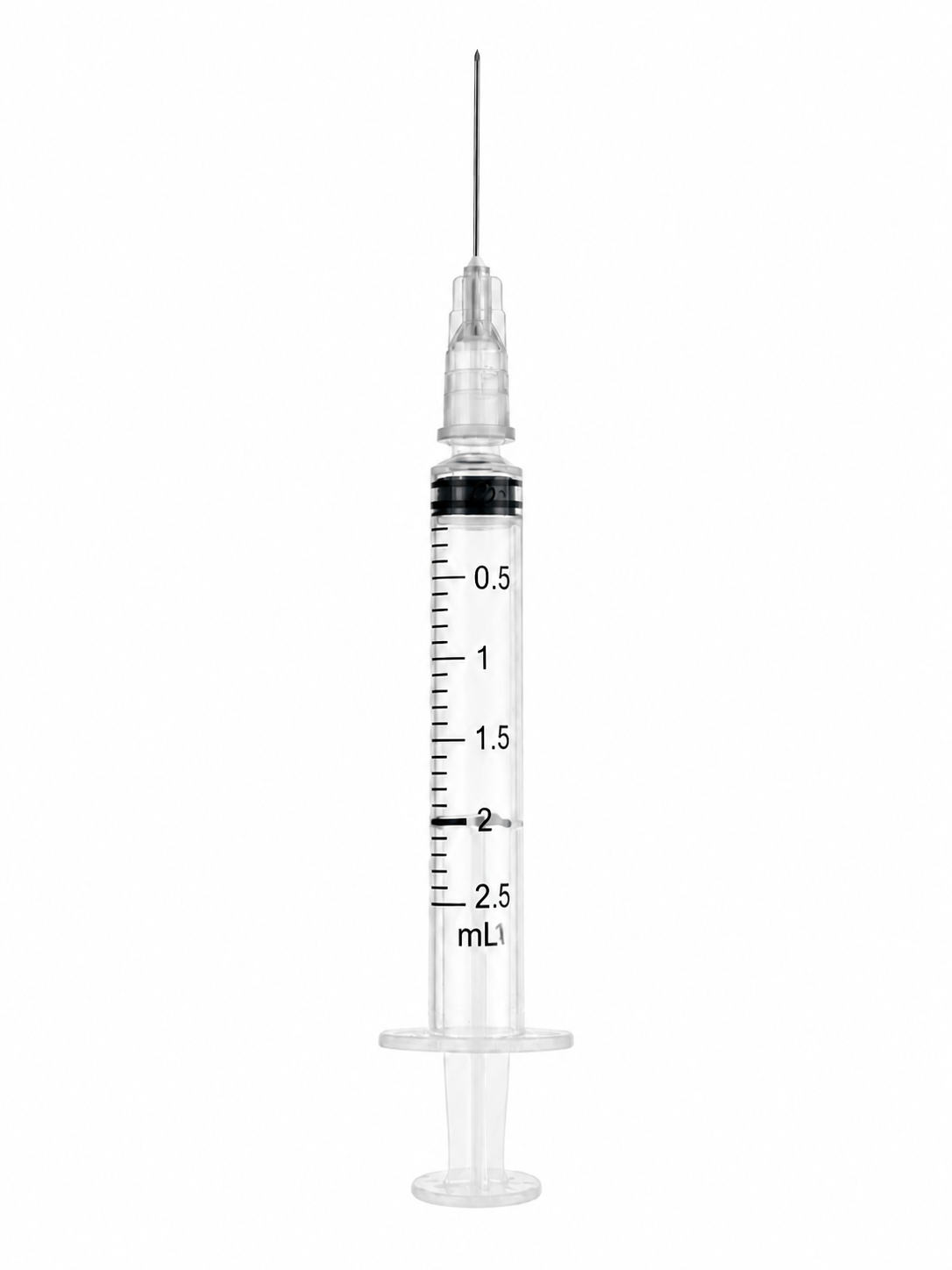
Larger mixing needles, commonly 21 or 23 gauge, are often used for drawing and transferring bacteriostatic water because they move liquid more easily than small insulin syringes.
After reconstitution, measurement is often done with U-100 insulin syringes. Those syringes are marked in units, not milligrams or micrograms.
mg to mcg
1mg equals 1,000mcg. So a 5mg vial contains 5,000mcg total.
mL to units
On a U-100 insulin syringe, 1mL equals 100 units. So 2mL equals 200 units.
Example: 5mg vial mixed with 2mL
Imagine Peptide X comes in a 5mg vial. That means the vial contains 5,000mcg total. If 2mL of bacteriostatic water is added, the vial now contains 5,000mcg spread across 200 syringe units.
If the target research amount is 200mcg, then: